Key points at a glance
- Elektrotechnik (electrical engineering) is a regulated trade (§ 94 no. 16 GewO). You need a Befähigungsnachweis (proof of competence): the qualifying exam, a suitable education plus practical experience, or an individual proof of competence.
- Electrical engineering is one of the trades under § 95 GewO: the authority checks your reliability, and you may only start once the decision (Bescheid) is final. Allow a few weeks for this.
- Without your own qualification, you can start with a gewerberechtlicher Geschäftsführer (qualified managing director under trade law) who works in the business for at least half of the normal weekly hours. The appointment must be approved.
- You report new installations as complete to the grid operator. Every initial inspection needs an installation logbook with a test report under ETV 2020 and OVE E 8101.
- For test equipment, tools, a van and initial kit, expect roughly €25,000 to €60,000 (as of November 2026).
This article is general information, not legal or tax advice. Rules change: check the details with your economic chamber or chamber of crafts, your trade guild or your tax adviser.
Why electrical work is not a trade like any other
The Gewerbeordnung (GewO, Austria's Trade Act) lists electrical engineering in § 94 no. 16 as a regulated trade. That alone does not set you apart from joiners or painters. The difference lies in § 95 GewO: for a small group of trades, including electrical engineering, gas and plumbing, and master builders, the authority checks the applicant's reliability before the start. Only when this decision is final may you carry out the trade.
For your planning this means: the day you register is not the day you start. If you have already promised jobs and then wait for the decision, you lose money and trust. So file the registration early and only fix your first site date once you have the decision.
One more quirk: § 94 does not mark electrical engineering as a craft (Handwerk). The exam is therefore called Befähigungsprüfung (qualifying exam), not Meisterprüfung (master craftsman exam). It is built in a similar way with five modules, and in practice many people still talk about the "Elektromeister".
Your routes to proof of competence
Which route suits you depends on your training and years in the job. The Wirtschaftskammer (WKO, Austrian Economic Chamber) names four options:
| Route | Who it suits | What to watch out for |
|---|---|---|
| Qualifying exam (5 modules) | Skilled workers with a completed apprenticeship and work experience | Minimum age 18, preparation courses at WIFI. The Meisterprüfungsstelle (exam office) decides which modules your previous training replaces. |
| School or degree plus practice | Graduates of a relevant HTL (technical college), Werkmeisterschule, university of applied sciences or university | The required practical experience is set out in the access regulation. Have the Innung (trade guild) confirm it before you register. |
| Individual proof of competence (§ 19 GewO) | Experienced practitioners without a formal qualification | The authority decides at its discretion. If your experience only covers parts of the trade, the licence is limited to those activities. |
| Gewerberechtlicher Geschäftsführer (§ 39 GewO) | Founders without their own qualification | The qualified person must work in the business (officer of the GmbH or employee with at least half the normal hours). For electrical engineering, the appointment needs approval. |
The limited route sounds tempting but has consequences. A trade licence restricted to certain activities covers exactly those. If you later want to offer house wiring, meter cabinets or larger PV systems, you will need the full qualification after all. Check with the Landesinnung (regional trade guild) whether the detour is worth it or whether you should sit the exam straight away.
Roadmap: from the idea to your trade licence
Clarify your qualification
Have the Landesinnung for electrical, building, alarm and communications technicians review your certificates and proof of experience. If a module is missing, schedule the exam before you rent premises.
Choose a legal form and company name
Most people start as sole traders. Registering in the Firmenbuch (commercial register) as an e.U. becomes mandatory above a certain turnover, but you can do it voluntarily at any time. With several founders or an employed qualified managing director, a GmbH (limited company) is often the cleaner solution. More in the general founding guide.
Register the trade and wait for the decision
You register online via GISA (the Austrian trade register) or at the district authority or municipal office. Because of § 95 GewO, a reliability check with a criminal record certificate follows. Only start once the decision is final.
Chamber, SVS and tax office
With the trade licence you automatically become a member of the Wirtschaftskammer and are compulsorily insured with the SVS (social insurance for the self-employed). At the tax office you apply for a tax number and a UID number (VAT ID). The small business threshold is €55,000 annual turnover, but an electrical business with materials reaches it quickly.
Grid operator and wholesaler
Register your business on your grid operator's portal for connection requests and completion notices. At the same time, open an account with an electrical wholesaler so you buy at trade prices.
Insurance, vehicle, online presence
Take out business liability insurance, fit out the van, put your website with imprint and your Google profile online. Then write your first quotes.
Grid operator, completion notice and installation logbook
Between your work and the power flowing stands the grid operator. For new connections, meter cabinet changes, wallboxes or PV systems, you report the installation as complete once finished; only then is the meter fitted or replaced. Many grid operators now accept this notice only online and only from an authorised electrical business. Some forms require the signature of the qualified managing director. Every grid operator has its own procedures, forms and deadlines. Read the technical connection conditions for your grid area before you rebuild your first meter cabinet.
The technical basis is the Elektrotechnikverordnung 2020 (ETV 2020), the Electrical Engineering Ordinance, which among other things makes OVE E 8101 binding for low-voltage installations. After every initial inspection, periodic inspection or major change, you produce an installation logbook with a test report: inspecting, testing, measuring, all with date, tester, scope and result. Hand the complete documents over to the customer. In a dispute, a clean test report is often your most important evidence.
Test equipment, tools, van: what you really need at the start
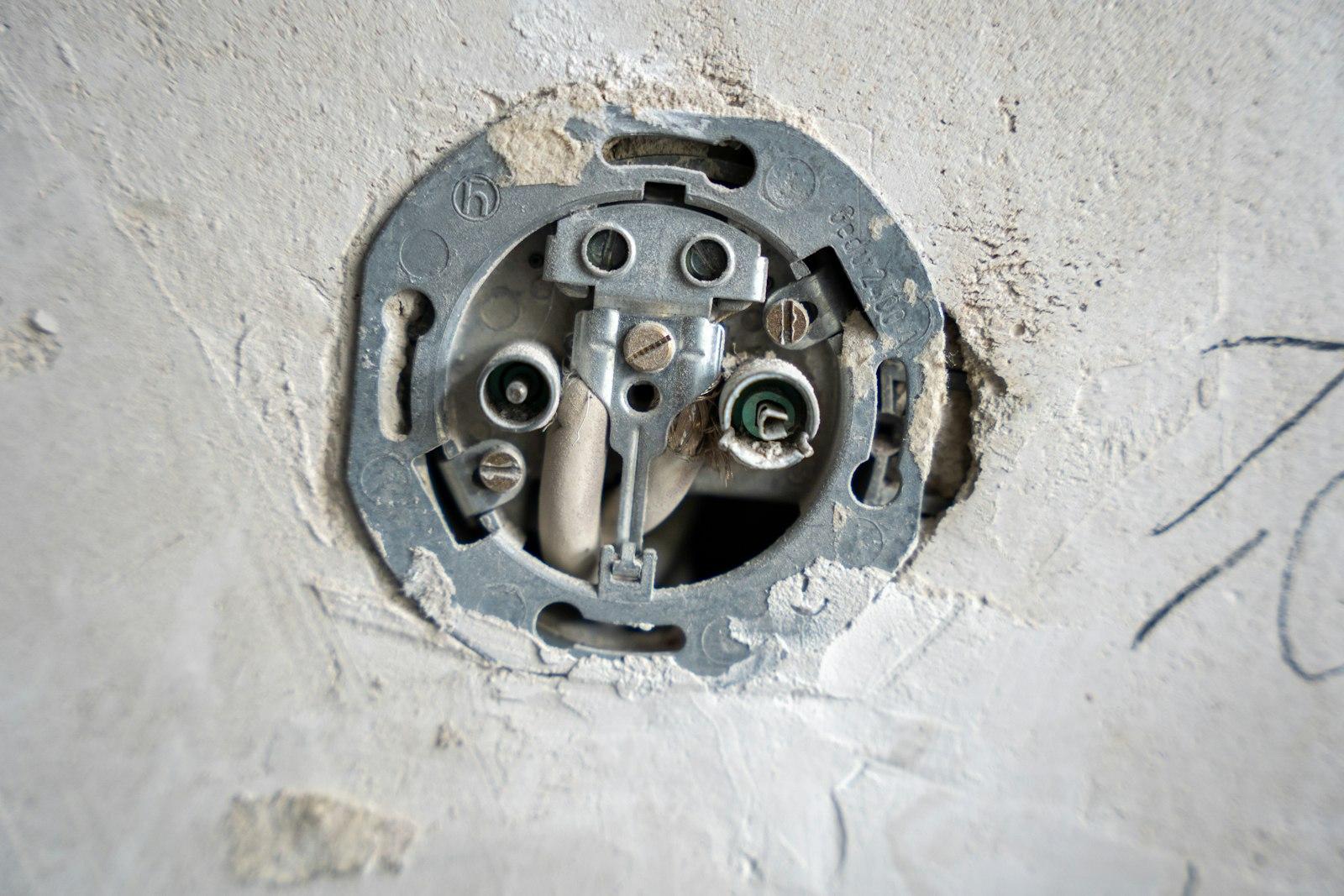
Do not cut corners on test equipment. An installation tester that covers all tests under OVE E 8101 is a must for every test report. With the rest of your tools you can start small and grow with your jobs.
| Item | Range | Note |
|---|---|---|
| Installation tester (insulation, loop, RCD, earthing) | around €1,500 – €3,500 | Budget for regular calibration |
| Clamp meter, voltage tester, cable detector | around €500 – €1,200 | A two-pole voltage tester belongs in every bag |
| Hand tools, cordless tools, core drilling, ladders | around €4,000 – €9,000 | One battery system for all machines saves money |
| Company van with shelving | used around €18,000 – €35,000 | Alternatively leasing, around €450 – €750 a month |
| First stock of materials in the van | around €1,500 – €3,000 | Terminals, cables, circuit breakers, boxes |
| Software for quotes, invoices, test reports | around €40 – €150 a month | Mind e-invoicing for public clients |
| Website, business cards, vehicle lettering | from €1,800 one-off plus hosting | Lettering on the van works for you every day |
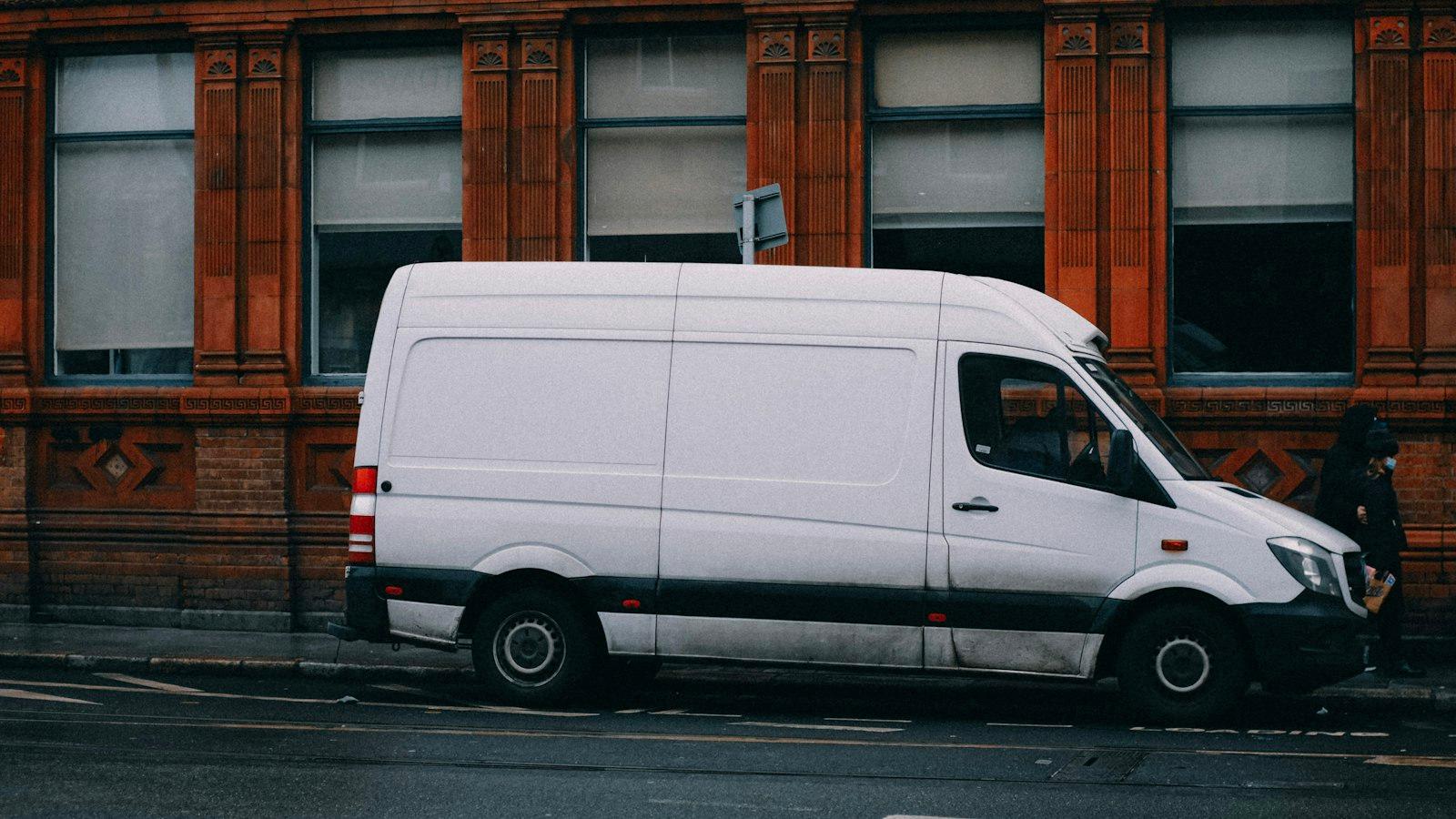
All in, most founders end up between €25,000 and €60,000, depending on whether the van is bought or leased. Part of it is covered by the wholesaler's supplier credit, the rest by equity or a start-up loan. Ask the WKO Gründerservice (start-up service) about grants for young entrepreneurs; the programmes change regularly.
Liability and insurance
A fault in an electrical installation can start a fire. Business liability insurance with sufficient cover is not legally required for electrical businesses, but it is indispensable. Property managers and general contractors regularly ask for proof. Make sure damage caused by your work and to the items you work on, damage to cables and damage to rented property are covered. If you install PV systems, have mounting on other people's roofs explicitly included.
Then there is the statutory warranty: you are liable to customers for your work under the rules of the ABGB (Austrian Civil Code). Under § 5 KSchG (Consumer Protection Act), a cost estimate given to consumers is binding unless you expressly state otherwise. What to watch out for with prices and quotes is covered in the guide to advertising and price information.
The market: PV, storage, wallboxes and renovation
Hardly any trade gets as many enquiries as electrical work. Photovoltaics with storage, wallboxes in apartment buildings, heat pumps that need a new circuit and old installations without residual current protection in older flats keep order books full. The bottleneck is skilled staff, not customers.
- PV and storage: Many PV providers sell and mount modules but need an authorised electrical business for the AC connection and the completion notice. A fixed partnership brings plannable work.
- Wallboxes and load management: In apartment buildings it is about load management, the meter cabinet and the owners' consent. If you explain this clearly, property managers will recommend you.
- Inspections and test reports: Periodic inspections for businesses, landlords and property managers bring in revenue in winter too.
- Smart home and communications: Networks, door intercoms and lighting control complement the core business. Pure communications electronics, however, has its own access rules.
Grants for PV, storage or charging infrastructure change frequently. Do not promise customers specific grant amounts; point them to the current call and help with the application.
How to win your first customers
An example: an electrician from the Mühlviertel goes self-employed after twelve years as a senior fitter. The first three months run on two master builders he already worked for as an employee and on a PV dealer looking for a partner for completion notices. Private customers only follow once his Google profile has its first ten reviews.
- Approach master builders, plumbers and property managers in your region directly. An electrician who calls back and turns up on time is in demand.
- Set up a Google Business Profile and ask every satisfied customer for a review, for example with a review QR code on the invoice.
- Show reference photos of distribution boards, meter cabinets and PV systems on your website, with the owners' consent of course. What else belongs there is in the guide to website content.
- Do not forget the imprint: for regulated trades it includes the trade, the authority and the chamber. Details in the guide to mandatory information in Austria.
Your electrician website, before the decision arrives
We build you a free draft in 3 days, with your services, your service area and room for references. Then you decide in your own time.
A free draft of your future business website.
How to get it right
- File the trade registration early and wait for the decision
- Read the grid operator's technical connection conditions before your first job
- Document every initial inspection in the installation logbook and hand it over
- Take out liability insurance that covers work damage and PV mounting
Better not
- Promise jobs before your trade licence is final
- Take on work outside the scope of a limited licence
- Promise grant amounts that may change before the application
- Save money on the installation tester
Checklist for your electrical business
- Proof of competence clarified or exam scheduled
- Electrical engineering trade registered, decision final
- Legal form chosen, Firmenbuch entry and qualified managing director if needed
- SVS registration, tax number and UID number in place
- Access to the grid operator's portal set up
- Installation tester calibrated, templates for logbook and test report ready
- Business liability insurance taken out
- Website with imprint, Google profile and business cards ready
Sources
- § 94 GewO 1994: regulated trades (RIS)
- § 95 GewO 1994: reliability check (RIS)
- § 19 GewO 1994: individual proof of competence (RIS)
- § 39 GewO 1994: gewerberechtlicher Geschäftsführer (RIS)
- Elektrotechnikverordnung 2020 (RIS)
- WKO: access to the electrical engineering trade
- WKO: Befähigungsprüfung Elektrotechnik
- WKO: testing and documenting electrical installations
- § 5 KSchG: cost estimate (RIS)
- USP: small business scheme (Kleinunternehmerregelung)
- GISA: Gewerbeinformationssystem Austria